What Does a Home Inspection Actually Cover? (And What It Doesn’t)
By: KURT STEIN • December 3, 2025
When you’re purchasing a home, the inspection is one of the most important steps in the entire buying process. It gives buyers an objective look at the property’s condition, helps identify potential concerns, and provides clarity before closing. However, many buyers, sellers, and even real estate professionals are not always fully aware of what is and is not included in a home inspection. We often meet individuals who think we will find every single deficiency in the home and eliminate all risk, but that is far from accurate. This guide breaks down what you can realistically expect from a professional home inspection in Northeast Florida.
A home inspection is a non invasive, visual assessment of a property’s major systems and components. Inspectors evaluate the condition of the home on the day of the inspection and document defects, safety concerns, maintenance items, and general information about the home. A home inspection is a snapshot in time. It is not comprehensive and will not identify every existing issue or predict future ones. The details below provide clarity on what is included and not included during our standard home inspections in Northeast Florida.
What a Home Inspection Does Include
Roof
We inspect the roof covering, flashings, roof penetrations such as plumbing vents and skylights, chimneys, and more. We do our best to estimate roof age and remaining life and attempt to inspect the roof from above either by walking it or using a camera pole if it is unsafe or too high. Roof leaks are weather dependent and can occur at any time. The best indications of leaks are typically found from inside the home or attic, where moisture staining or damage may be visible. We aim to be thorough, but we are spot checking the roof, not inspecting every shingle.
Exterior
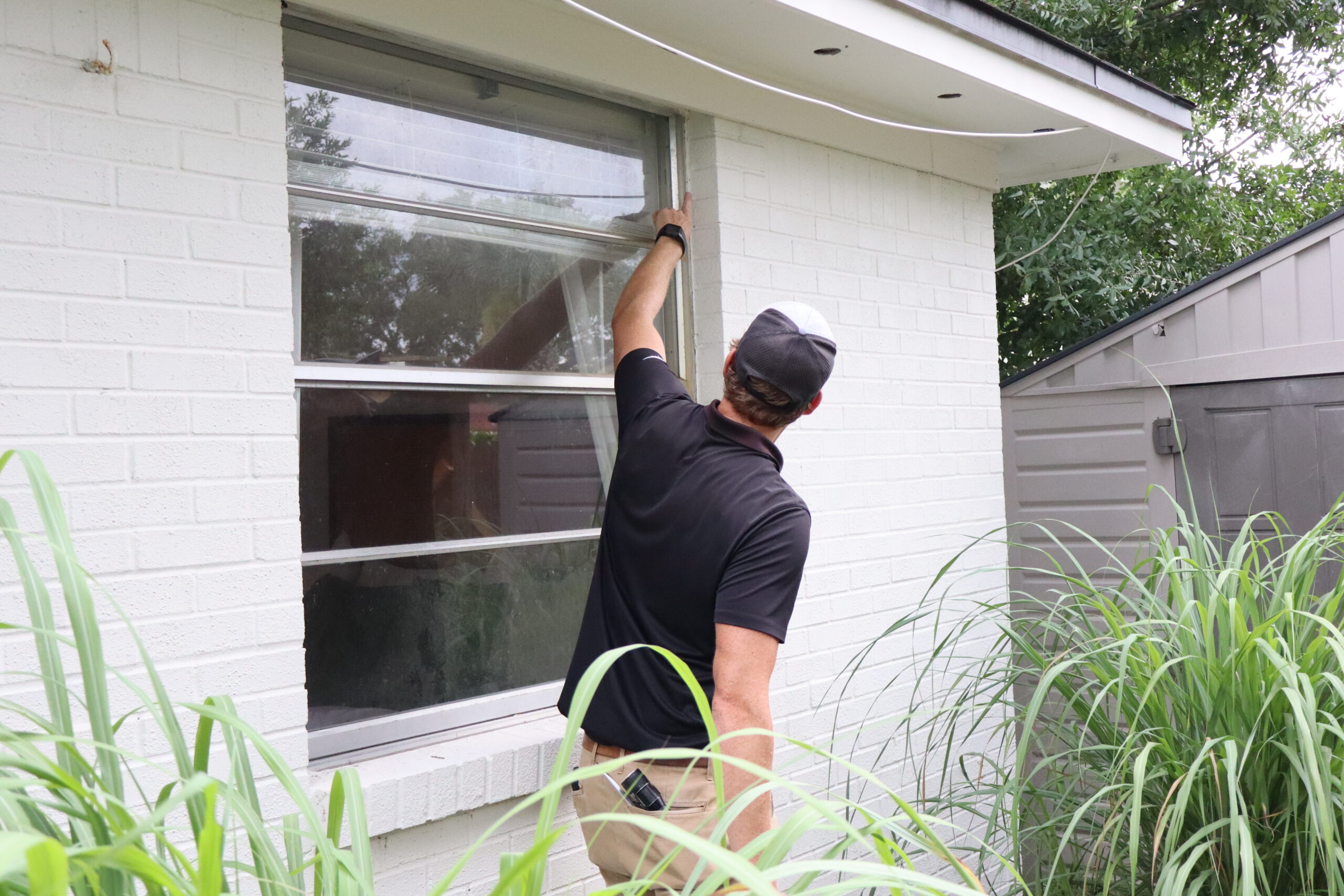
This includes paved surfaces, vegetation impacting the home, siding, visible flashings and trim, eaves, soffits, fascia, exterior windows, gutters, exterior doors, irrigation components, decks, balconies, steps, and fences. We primarily note material conditions and obvious deficiencies, especially where water could enter the structure. Flashings and some installation details are often concealed, which means not every issue can be visually identified. Although irrigation systems are excluded from the Florida Standards of Practice, we perform a cursory inspection because they are so common in our region. Ancillary buildings such as sheds or detached structures are not inspected unless requested as an add-on. Pools and pool equipment are inspected by our pool inspection partner if requested.
Garage
We inspect visible areas of the garage and related components including basic operation of garage doors.
Appliances
Although appliances are typically excluded from inspection standards, we test basic functionality of the refrigerator, oven, cooktop, dishwasher, disposal, exhaust hood, and the washer and dryer. This does not include checking every mode or feature or evaluating appliance life span. We simply verify basic operation at the time of inspection.
Interior
We visually inspect doors, windows, flooring, walls, ceilings, countertops, cabinetry, fireplaces, and stairs. Hidden issues may exist behind walls or under flooring, but we do our best to catch observable concerns. We look for signs of moisture intrusion and perform a basic examination of accessible fireplace areas. A more comprehensive fireplace review should be performed by a qualified chimney specialist through a Level II inspection.
Electrical
We usually remove the electrical panel cover to inspect the wiring and components. We test accessible outlets and fixtures for proper function. Most wiring is concealed, and latent issues can exist that are not visible. We also check for the presence of smoke and carbon monoxide detectors.
HVAC
We test and inspect the HVAC system, including the inside and outside units, general operation, accessible ductwork, and proper air supply in rooms. Some modes cannot be tested in extreme temperatures, and advanced diagnostics like refrigerant level checks are outside the scope of a standard inspection.
Plumbing
We test fixtures such as toilets, sinks, showers, and hose bibs, identify visible piping materials, visually inspect the water heater, and estimate age when possible. We also run fixtures for an extended period to check drainage. For a deeper look at underground drain lines, a sewer scope inspection is highly recommended but requires an additional cost.
Attic
We inspect as much of the attic as is safely accessible. This includes the roof structure, insulation, HVAC ductwork, attic ventilation, wiring, plumbing, and other visible systems. Identifying rodent activity is technically outside the Standards of Practice, but due to how common it is in Northeast Florida, we alert clients when signs are present.
Structure
We look for visible signs of structural issues related to the foundation, framing, walls, ceilings, and roof structure. Although most structural elements are concealed, defects usually show up through visible symptoms. Most homes in Northeast Florida are wood framed or block construction, with some ICF and specialty builds.
Infrared Scan
After running water and HVAC systems, we perform a whole-house infrared scan. This helps identify hidden moisture intrusion, leaks, missing insulation, overloaded electrical circuits, and more. While not perfect or comprehensive, it significantly reduces risk and helps catch issues the naked eye cannot see.
After the inspection, we complete a post-inspection walkthrough to show the client major findings and set expectations for reviewing the full inspection report that includes photos, videos, and clear explanations prioritized by severity.
What a Home Inspection Does Not Include
A home inspection covers a lot, but it is not exhaustive. Inspectors do not remove drywall, move furniture, or open sealed systems. The inspection is visual and based only on what is safe and accessible at the time. Here is what is not included in a standard inspection:
- Pest or WDO inspections, unless completed separately by a licensed pest professional
- Swimming pools and spas, unless requested separately with our pool inspection partner
- Septic systems, unless requested separately with our septic inspection partner
- Mold testing without lab samples ordered separately
- Asbestos or lead paint testing
- Specialty systems such as solar, water softeners, docks, bulkheads, elevators, and similar items
- Code compliance checks or permit research
- Insurance determinations
- Cosmetic defects or cosmetic evaluations
- Any feature that cannot be accessed safely
- Property value or appraisal services
Final Thoughts: Why It Matters
A home inspection provides clarity, confidence, and peace of mind. It answers important questions about the home’s general condition before closing. While it cannot guarantee perfection or predict every future issue, it gives buyers valuable knowledge so they can move forward with confidence.
Ready to Book Your Inspection in Jacksonville or the Surrounding Counties?
Scheduling your inspection only takes a few minutes.
📞 904 758 9225
💻 Book online anytime at HouseScanFL.com